Tax optimization strategies for individuals sets the stage for this enthralling narrative, offering readers a glimpse into a story that is rich in detail with casual formal language style and brimming with originality from the outset.
Tax optimization is a crucial aspect of financial planning for individuals, ensuring they can maximize their savings and minimize tax liabilities. By exploring the nuances of tax optimization, individuals can navigate the complex world of taxes with ease and efficiency.
Introduction to Tax Optimization Strategies for Individuals
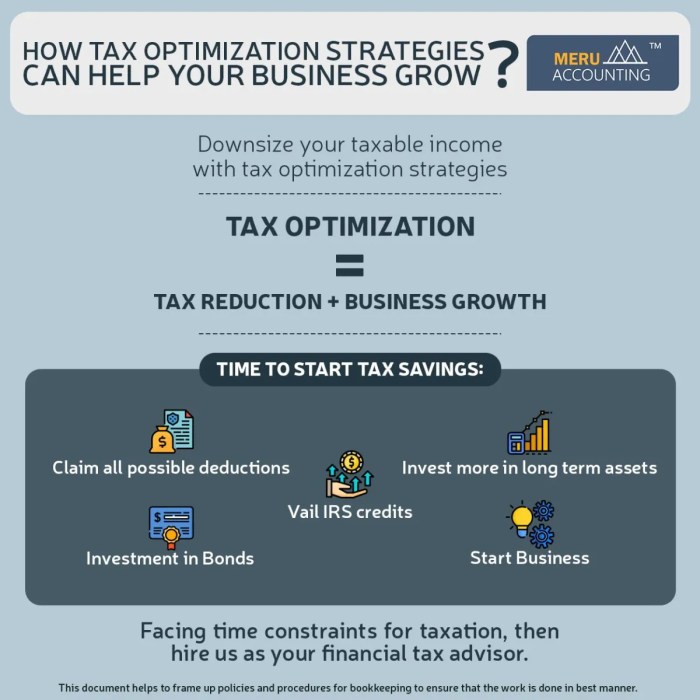
Tax optimization is a crucial aspect of financial planning for individuals. It involves strategic planning to minimize tax liabilities while maximizing tax benefits within the legal framework. This helps individuals keep more of their hard-earned money and achieve their financial goals effectively.
Overview of Tax Optimization, Planning, and Preparation
Tax optimization goes beyond tax planning and tax preparation. While tax planning focuses on organizing finances to reduce tax liabilities, tax preparation involves the actual filing of tax returns. On the other hand, tax optimization involves a proactive approach to strategically manage finances to minimize taxes in the long run.
- Tax Optimization focuses on long-term strategies rather than short-term fixes.
- It involves leveraging tax laws and incentives to the individual’s advantage.
- The key objective is to legally reduce tax liabilities while maximizing tax-saving opportunities.
Tax Planning Strategies
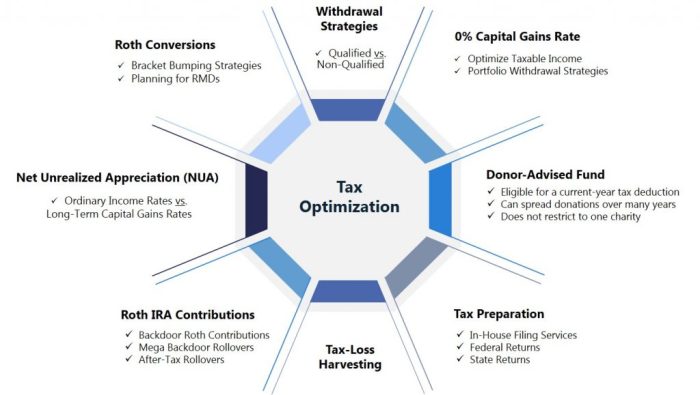
When it comes to optimizing tax liabilities, individuals can employ various tax planning strategies to minimize the amount of taxes they owe. These strategies can range from simple methods to more complex approaches, all aimed at reducing the overall tax burden.
Short-term vs. Long-term Tax Planning Strategies
Short-term tax planning strategies focus on immediate tax savings, typically within the current tax year. This can include actions such as maximizing deductions, deferring income, or taking advantage of tax credits. On the other hand, long-term tax planning strategies involve more strategic decisions that can have lasting effects on tax liabilities over multiple years. Examples include setting up retirement accounts, investing in tax-efficient funds, or utilizing estate planning techniques.
Examples of Tax Planning Methods
- Maximizing deductions: Individuals can itemize deductions such as mortgage interest, charitable contributions, and medical expenses to reduce taxable income.
- Utilizing tax-advantaged accounts: Contributing to retirement accounts like 401(k) or IRA can lower taxable income and grow savings tax-free until withdrawal.
- Harvesting capital gains and losses: Selling investments strategically to offset gains with losses can help reduce overall tax liability.
- Timing income and expenses: Shifting income or expenses between tax years can help manage tax brackets and minimize taxes owed.
Tax Preparation Techniques
Effective tax preparation is crucial for individuals looking to optimize their tax situation. By following the proper steps and maintaining detailed documentation, you can maximize your tax benefits and ensure compliance with tax laws.
Documentation and Record-Keeping
Proper documentation and record-keeping play a key role in tax optimization. By keeping track of all relevant financial documents, such as receipts, invoices, and statements, you can accurately report your income and deductions. This not only helps in reducing the risk of errors on your tax return but also provides evidence in case of an audit.
Timely Tax Preparation
Timely tax preparation is essential in maximizing tax benefits. By preparing your tax return well before the deadline, you have more time to review your financial situation and explore tax-saving opportunities. Filing early also helps in avoiding penalties for late submission and ensures you receive any refunds promptly.
Tax Optimization Methods
When it comes to tax optimization for individuals, there are various methods that can be utilized to maximize savings and minimize tax liability. By leveraging tax credits, deductions, and exemptions, individuals can take advantage of opportunities to reduce their tax burden. Additionally, investment strategies can also play a significant role in tax optimization, providing avenues for growth while maximizing tax benefits.
Comparing Tax Optimization Methods
- Utilizing Tax Credits: Tax credits directly reduce the amount of tax owed, providing a dollar-for-dollar reduction. By taking advantage of available tax credits, individuals can significantly lower their tax liability.
- Exploring Deductions: Deductions reduce taxable income, lowering the overall tax bill. By identifying eligible deductions and maximizing their use, individuals can effectively reduce the amount of income subject to taxation.
- Understanding Exemptions: Exemptions allow individuals to exclude certain types of income or amounts from taxation. By understanding and properly applying exemptions, individuals can further reduce their taxable income.
Role of Investment Strategies
Investment strategies can also play a crucial role in tax optimization for individuals. By investing in tax-advantaged accounts such as retirement plans or Health Savings Accounts (HSAs), individuals can benefit from tax-deferred growth and potential tax deductions. Additionally, strategic investment decisions can help minimize capital gains taxes and maximize long-term tax savings.
Tax Returns and Compliance
When it comes to tax optimization strategies for individuals, understanding the process of filing tax returns and ensuring compliance with tax regulations is crucial. Filing tax returns accurately and on time is not only a legal requirement but also offers various benefits to individuals.
Non-compliance with tax regulations can result in penalties, fines, and even legal consequences. On the other hand, accurate tax return filing can help individuals avoid these repercussions and maintain a good standing with tax authorities.
Reviewing Past Tax Returns for Optimization
Reviewing past tax returns can provide valuable insights for individuals looking to optimize their tax situation. By examining previous tax returns, individuals can identify any errors or missed opportunities for deductions or credits.
- Identifying patterns in income sources and expenses can help individuals plan better for future tax obligations.
- Reviewing past tax returns can also help in identifying any inconsistencies or discrepancies that need to be corrected to ensure compliance with tax laws.
- By analyzing past tax returns, individuals can make informed decisions on tax planning strategies to minimize tax liabilities in the future.
In conclusion, understanding and implementing effective tax optimization strategies can significantly impact an individual’s financial well-being. By utilizing the right methods and staying compliant with tax regulations, individuals can secure a stable financial future while minimizing their tax burdens.
Quick FAQs
How can tax optimization benefit individuals?
Tax optimization can help individuals maximize their savings by minimizing their tax liabilities, allowing them to retain more of their hard-earned income.
What is the difference between tax planning and tax optimization?
Tax planning involves creating strategies to manage one’s tax liability, while tax optimization focuses on maximizing savings through efficient tax strategies.
How important is timely tax preparation for tax optimization?
Timely tax preparation is crucial for tax optimization as it allows individuals to take advantage of available deductions and credits before the tax deadline.