How to reduce taxable income legally sets the stage for this informative narrative, providing readers with valuable insights and strategies to minimize tax liabilities within the confines of the law.
Exploring the intricacies of tax planning, preparation, optimization, and filing, this guide offers a roadmap to navigate the complex world of taxes with confidence and knowledge.
Tax Planning
Tax planning is a crucial aspect of financial management that involves analyzing a taxpayer’s financial situation to strategize on how to minimize tax liabilities within the legal framework. By employing effective tax planning strategies, individuals can reduce their taxable income legally and optimize their financial resources.
Tax Planning Strategies
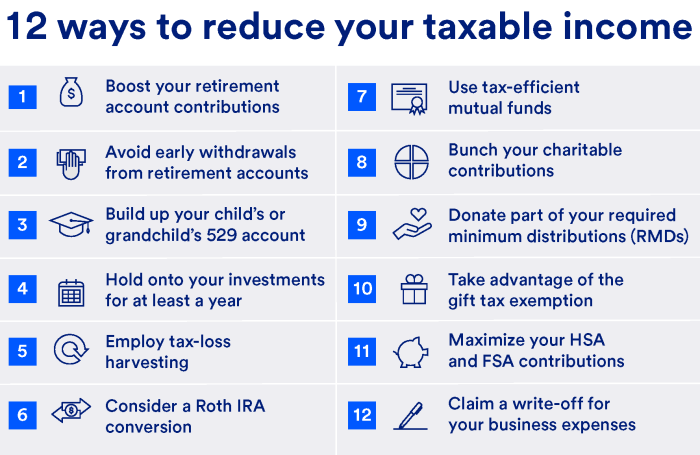
- Maximizing Retirement Contributions: Contributing to retirement accounts such as 401(k) or IRA can help reduce taxable income as contributions are often tax-deductible.
- Utilizing Tax Credits: Taking advantage of tax credits such as the Earned Income Tax Credit or Child Tax Credit can directly reduce the amount of tax owed.
- Charitable Donations: Donating to qualified charitable organizations can result in tax deductions, lowering taxable income.
- Capital Gains and Losses: Timing the sale of investments to realize capital losses can offset capital gains and reduce taxable income.
Short-term vs. Long-term Tax Planning
Tax planning strategies can be categorized into short-term and long-term approaches. Short-term tax planning focuses on immediate tax savings through deductions or credits for the current tax year. On the other hand, long-term tax planning involves strategies that aim to minimize taxes over an extended period, often by structuring investments, retirement planning, and estate planning to reduce future tax burdens.
Tax Preparation
When it comes to tax preparation, individuals must follow specific steps to reduce their taxable income legally. This process involves gathering all necessary financial documents, calculating deductions and credits, and accurately filling out tax forms.
Comparison of Services
- Professional Tax Preparation Services:
- Experienced tax professionals can provide personalized advice and strategies to maximize deductions and credits.
- They can help navigate complex tax laws and ensure compliance with regulations.
- However, professional services can be costly and may not be necessary for individuals with simple tax situations.
- DIY Tax Preparation Software:
- Software programs like TurboTax or H&R Block offer step-by-step guidance for individuals to prepare their taxes.
- They are more cost-effective than professional services and can be suitable for individuals with straightforward tax returns.
- However, DIY software may lack the personalized advice and expertise provided by tax professionals.
Importance of Record-Keeping
Accurate record-keeping is crucial during the tax preparation process as it helps individuals substantiate their income, deductions, and credits. Keeping receipts, invoices, bank statements, and other financial documents organized can ensure compliance with tax laws and provide evidence in case of an audit.
Tax Optimization
Tax optimization is the process of strategically minimizing tax liabilities by utilizing various legal methods and techniques. It differs from tax planning in that tax optimization focuses on maximizing deductions and credits to reduce taxable income to the lowest possible amount.
Maximizing Deductions and Credits
When it comes to tax optimization, maximizing deductions and credits is crucial. Deductions like mortgage interest, charitable contributions, and medical expenses can significantly reduce taxable income. Additionally, tax credits such as the Earned Income Tax Credit or Child Tax Credit can directly lower the amount of tax owed.
- Keep track of all eligible expenses throughout the year to ensure you are taking full advantage of available deductions.
- Consider contributing to retirement accounts like a 401(k) or IRA to lower taxable income while saving for the future.
- Explore education tax credits and deductions for tuition, fees, and student loan interest payments.
Tax-Deferred Accounts
Tax-deferred accounts play a key role in tax optimization by allowing individuals to contribute pre-tax income, reducing taxable income in the current year. Accounts like traditional IRAs, 401(k)s, and Health Savings Accounts (HSAs) offer tax benefits that can help lower tax liabilities.
- Contributions to tax-deferred accounts grow tax-free until withdrawal, allowing for potential tax savings over time.
- By strategically managing contributions and distributions from these accounts, individuals can optimize their tax situation both now and in the future.
- Consider consulting with a financial advisor to determine the best approach for utilizing tax-deferred accounts based on your individual financial goals and circumstances.
Tax Returns
When it comes to filing tax returns and claiming deductions legally, the process can seem daunting. However, understanding the steps involved can help individuals reduce their taxable income effectively.
Claiming Deductions
- Keep detailed records of all expenses that qualify for deductions, such as charitable donations, medical expenses, and business expenses.
- Ensure you are eligible for the deductions you plan to claim by reviewing the IRS guidelines and requirements.
- Maximize your deductions by exploring all available options, such as retirement account contributions, mortgage interest deductions, and education expenses.
Common Mistakes to Avoid
- Avoid submitting incomplete or inaccurate information on your tax return to prevent delays or audits.
- Double-check all calculations and ensure all deductions are accurately reported to maximize tax savings.
- Consult with a tax professional or utilize tax software to avoid overlooking potential deductions or credits.
Consequences of Tax Evasion
- Engaging in tax evasion by underreporting income or overstating deductions can lead to severe penalties, including fines, interest charges, and even criminal prosecution.
- Legally reducing taxable income through proper deductions is a responsible and ethical way to minimize tax liability without facing legal consequences.
- By staying compliant with tax laws and regulations, individuals can protect themselves from the risks associated with tax evasion.
In conclusion, understanding how to reduce taxable income legally is not just about saving money – it’s about making informed decisions that align with tax regulations and your financial goals. By implementing the strategies Artikeld here, you can take control of your tax situation and achieve a more secure financial future.
FAQ Section
How can I reduce taxable income legally?
By utilizing tax planning strategies, maximizing deductions, and ensuring accurate record-keeping during tax preparation.
What are the consequences of tax evasion?
Tax evasion can lead to severe penalties, including fines and potential imprisonment, whereas legally reducing taxable income helps you stay compliant with tax laws.
How do tax-deferred accounts help in reducing taxable income?
Tax-deferred accounts allow you to postpone paying taxes on income until a later date, thereby reducing your taxable income in the current year.