Exploring the realm of tax optimization and charitable donations opens up a world of financial opportunities. Understanding how these concepts intersect can lead to significant benefits for individuals looking to manage their finances more effectively. From strategic planning to practical tips, this discussion will shed light on maximizing financial outcomes through tax optimization and charitable giving.
Delve deeper into the strategies and techniques that can help individuals make the most of their financial resources while contributing to charitable causes.
Tax Planning
Tax planning is a crucial aspect of managing finances effectively, as it involves strategizing to minimize tax liabilities and maximize savings. By implementing appropriate tax planning strategies, individuals can optimize their financial goals and ensure they are making the most of available resources.
Importance of Tax Planning
Tax planning allows individuals to take advantage of tax deductions, credits, and exemptions to reduce their taxable income. By carefully planning their financial decisions throughout the year, individuals can minimize the amount of taxes they owe and keep more of their hard-earned money.
- Utilizing tax-deferred accounts, such as 401(k) or IRA, to save for retirement while reducing taxable income.
- Maximizing deductions for expenses like mortgage interest, medical expenses, and charitable contributions to lower taxable income.
- Strategically timing capital gains and losses to minimize taxes on investment income.
Impact on Charitable Donations
Tax planning can significantly impact charitable donations by allowing individuals to maximize the tax benefits of their contributions. By understanding the tax implications of charitable giving, individuals can make informed decisions that align with their philanthropic goals while optimizing their tax savings.
- Claiming deductions for cash donations to qualified charitable organizations, subject to certain limitations based on adjusted gross income.
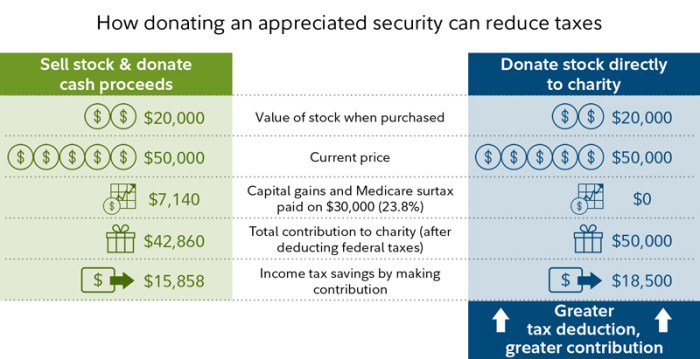
- Donating appreciated assets, such as stocks or real estate, can result in significant tax benefits by avoiding capital gains tax on the appreciation.
- Utilizing donor-advised funds to maximize tax deductions by contributing to a charitable fund and distributing donations to multiple charities over time.
Tax Preparation

When it comes to tax preparation for individuals, there are several important steps to follow to ensure accuracy and compliance with tax laws.
Documents Needed for Tax Preparation
Before starting the tax preparation process, individuals need to gather various documents to report their income and deductions correctly.
- W-2 forms from employers
- 1099 forms for freelance or contract work
- Receipts for deductible expenses
- Bank statements
- Investment statements
Role of Tax Professionals
Tax professionals play a crucial role in assisting individuals with tax preparation by providing expert advice, navigating complex tax codes, and maximizing deductions.
Tax professionals can help individuals identify potential tax savings opportunities and ensure compliance with tax laws.
DIY Tax Preparation vs Hiring a Tax Professional
While some individuals choose to prepare their taxes on their own, others opt to hire a tax professional for assistance.
| DIY Tax Preparation | Hiring a Tax Professional |
| Cost-effective but time-consuming | Convenient and time-saving |
| Risk of errors if not familiar with tax laws | Expert guidance and accuracy |
| Less personalized advice | Customized tax planning and advice |
Tax Optimization
Tax optimization is a strategic approach to managing finances efficiently by minimizing tax liabilities and maximizing deductions. It involves utilizing legal methods and strategies to reduce the amount of tax owed while staying compliant with tax laws.
Different Methods for Tax Optimization
- Utilizing tax-advantaged accounts such as 401(k) or IRA to save for retirement and reduce taxable income.
- Claiming deductions for expenses related to business, education, medical, or charitable contributions.
- Tax loss harvesting to offset gains with losses in investment portfolios.
Examples of Tax Optimization Techniques
- Maximizing contributions to retirement accounts to lower taxable income.
- Donating to qualified charities to claim deductions on charitable contributions.
- Timing capital gains to minimize tax impact.
Role of Tax Optimization in Reducing Tax Liabilities
Tax optimization plays a crucial role in reducing tax liabilities by ensuring that individuals and businesses take advantage of available deductions, credits, and exemptions to lower their overall tax burden. By implementing effective tax planning strategies, taxpayers can keep more of their hard-earned money and optimize their financial resources.
Tax Returns
When it comes to tax returns, it is essential to understand the process of filing them correctly to ensure compliance with tax laws and regulations. Accuracy in tax return filings is crucial as any errors can lead to penalties or audits by tax authorities. Maximizing tax refunds in tax returns involves utilizing all available deductions and credits to reduce taxable income.
It is important to be aware of common mistakes to avoid when filing tax returns to prevent any issues with the tax authorities.
Importance of Accuracy in Tax Return Filings
Accuracy in tax return filings is crucial to ensure compliance with tax laws and regulations. Any errors in your tax return can lead to penalties, fines, or audits by tax authorities. It is important to double-check all information provided in your tax return to avoid any mistakes that could result in financial consequences.
Tips for Maximizing Tax Refunds in Tax Returns
- Keep track of all expenses and receipts to claim deductions accurately.
- Consider contributing to retirement accounts to reduce taxable income.
- Explore tax credits and deductions that you may be eligible for.
- File your tax return early to receive any refunds sooner.
Common Mistakes to Avoid When Filing Tax Returns
- Math errors in calculations can lead to discrepancies in your tax return.
- Forgetting to report all sources of income, including side gigs or freelance work.
- Missing out on eligible tax credits and deductions by not researching thoroughly.
- Waiting until the last minute to file your tax return, increasing the likelihood of errors.
In conclusion, the careful balance between tax optimization and charitable donations can pave the way for a more secure financial future. By leveraging these strategies effectively, individuals can not only reduce their tax burdens but also make a positive impact on society through their philanthropic endeavors.
Commonly Asked Questions
How can tax planning impact charitable donations?
Tax planning can help individuals optimize their financial goals, allowing them to allocate more funds towards charitable causes while minimizing their tax liabilities.
What are some common mistakes to avoid when filing tax returns?
Avoid errors in reporting income, deductions, or credits, as these can lead to potential audits or penalties from tax authorities.
What role do tax professionals play in tax preparation?
Tax professionals provide expertise in navigating complex tax laws, ensuring accurate filings and maximizing deductions for their clients.